


Need a Custom Portable Cabin vs Traditional Construction?
Contact Mangalam Cabins today for tailored modular solutions.
Get In TouchPortable Cabin vs Traditional Construction: Which One is Right for You?
When a business needs a new office, a housing facility for workers, a security post, or a storage unit, the first question that comes up is almost always the same: should we build it or should we buy a portable cabin?
In 2026, that question has never been more relevant. With rising construction costs, tighter project timelines, and a growing emphasis on flexibility, more businesses across India are choosing portable cabins over traditional brick-and-mortar construction. But is it always the right call? Let's break down the comparison across every key factor — cost, time, durability, flexibility, and more — so you can make an informed decision.
1. Cost: Portable Cabins Win by a Wide Margin
Traditional construction involves a long chain of expenses — land preparation, foundation work, raw materials like cement, steel, and bricks, labour costs, architectural fees, and finishing work. By the time a conventional structure is ready, the total investment is typically 3 to 5 times higher than an equivalent portable cabin solution.
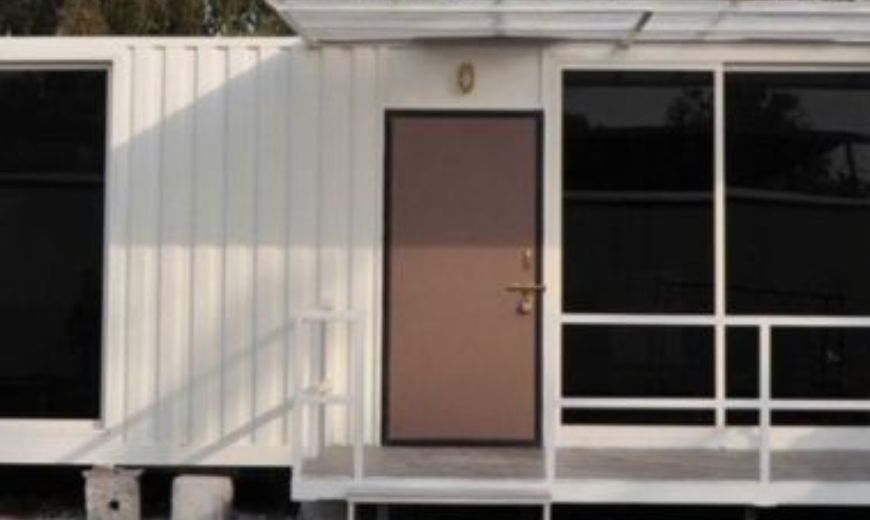
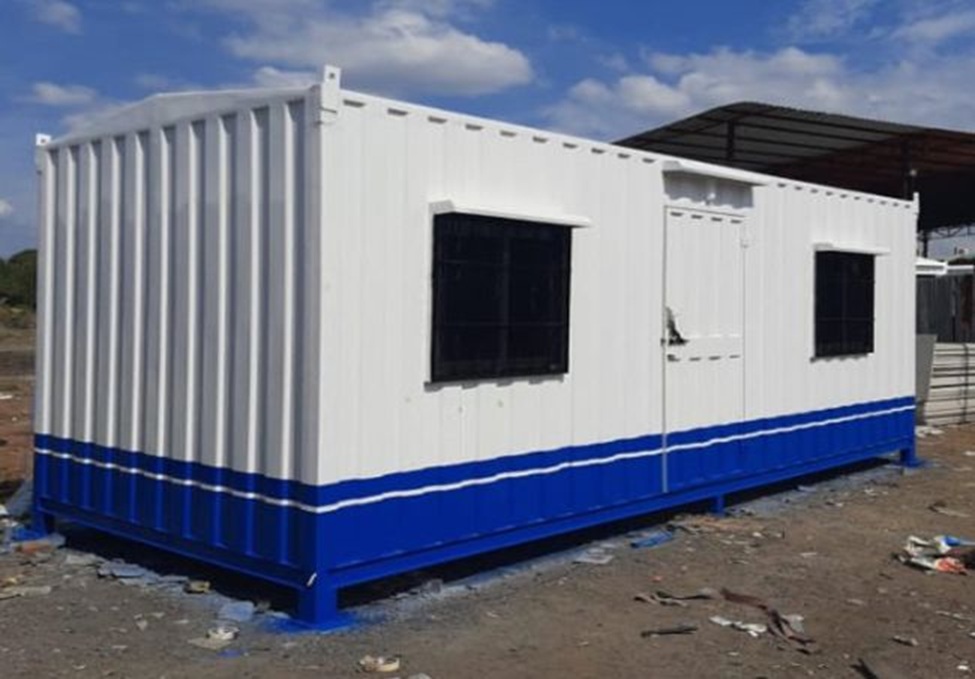
A portable office cabin from Mangalam Cabins, for instance, comes fully fitted with walls, flooring, electrical points, and doors — delivered and installed at a predictable, upfront price. There are no hidden costs, no material wastage, and no expensive delays that pile onto your budget.
For businesses that need to manage capital carefully — especially startups, construction companies, and project-based organisations — portable cabins are simply the smarter financial choice.
2. Time: Days vs Months
A traditional building of even modest size takes anywhere from 3 to 12 months to complete, depending on size, design, and approvals. Portable cabins can be manufactured, delivered, and made fully operational in a matter of days.
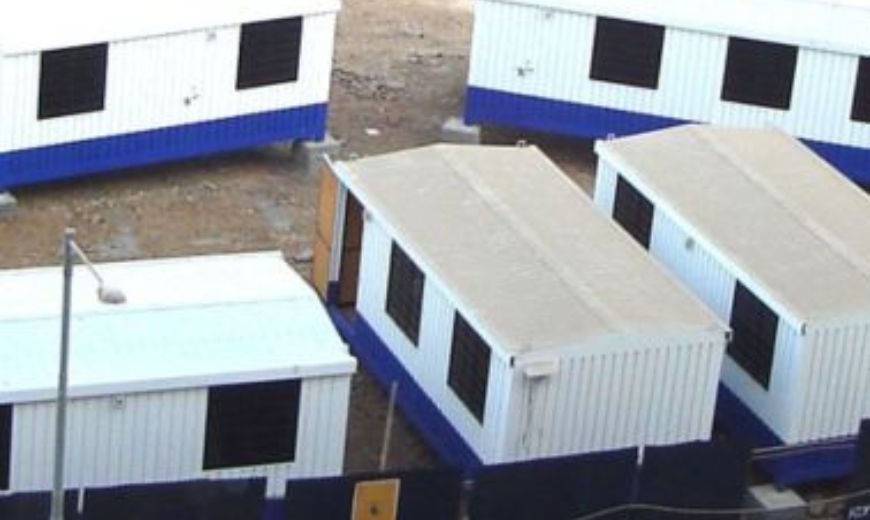
This speed advantage is critical. A construction company starting a new project cannot wait six months for a site office — they need it ready on Day 1. Our portable office cabins and portable bunk houses are deployed exactly for this reason — giving project teams a fully functional base of operations almost immediately after the project kicks off.
The same principle applies to portable security cabins — a security checkpoint that takes a full day to install versus one that takes months to build is clearly the practical winner for any facility manager on a deadline.
3. Flexibility & Relocatability
This is arguably the biggest advantage portable cabins hold over traditional construction — and it is one that simply cannot be matched.
Once a conventional building is constructed, it stays where it is. If your project moves to a new location, your office stays behind. If your business expands or contracts, your fixed structure cannot adapt. You are locked in.
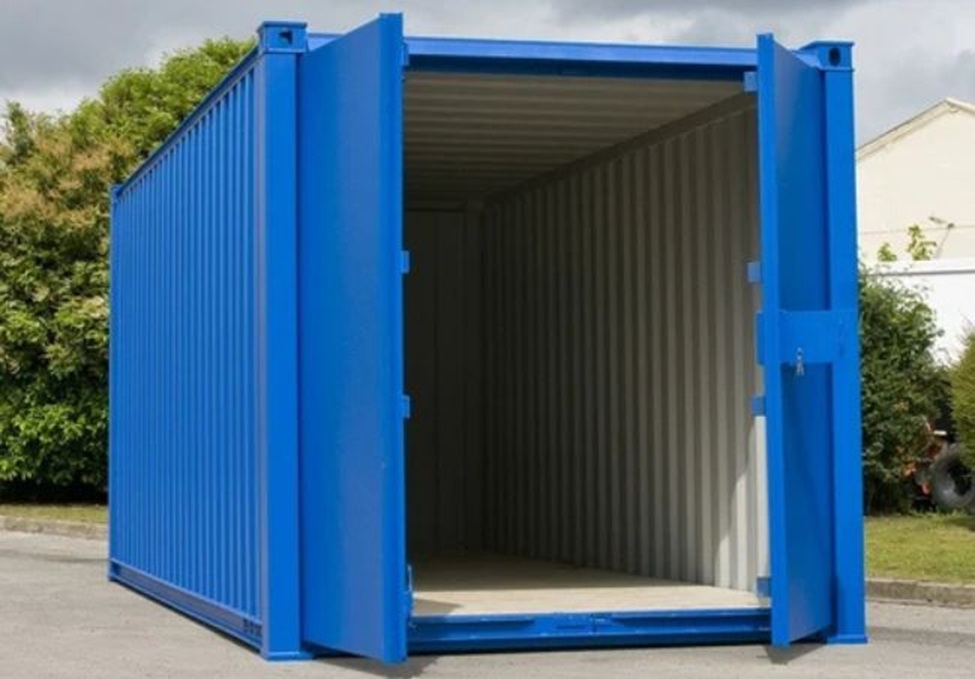
A portable cabin moves with you. A portable storage container can be loaded onto a truck and shifted to a new site in a single day. A portable bunk house housing your workforce can be relocated as the project zone changes. Even larger structures like prefabricated buildings are designed with disassembly and reassembly in mind.
For businesses in infrastructure, mining, telecom, events, or any sector where operations shift across locations, this relocatability alone justifies the choice of portable cabins every single time.
4. Durability: Better Than You Think
A common misconception about portable cabins is that they are flimsy or short-lived compared to traditional construction. In reality, a well-manufactured cabin is built to withstand harsh outdoor conditions — heavy rain, extreme heat, strong winds, and constant use.
At Mangalam Cabins, our structures use high-quality MS (mild steel) and GI frames with insulated panels, anti-corrosion treatments, and weatherproof finishes. Our toll booths operate 24/7 on national highways exposed to sun, rain, and vehicle exhaust — and they hold up year after year. Our portable toilet cabins are built to maintain hygiene and structural integrity even under heavy daily use on active construction sites.
The lifespan of a quality portable cabin, when maintained properly, can comfortably run 15 to 25 years — making the cost-per-year comparison with traditional construction even more favourable.
5. Customisation: More Than You Expect
People often assume traditional construction offers more design freedom. While it is true that a permanent building can be architecturally elaborate, portable cabins in 2026 are far more customisable than they were even five years ago.
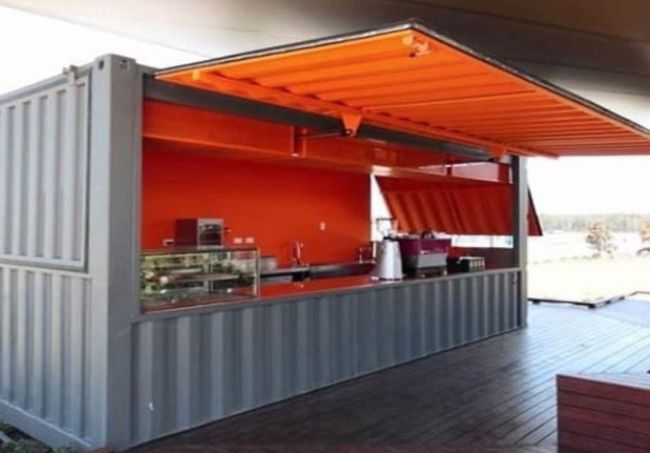
Our portable restaurant cabins can be designed with branded exteriors, full kitchen setups, service counters, and customer seating — creating a professional dining experience from what is essentially a cabin. Our prefabricated buildings can be configured as multi-room offices, training centres, clinics, and even retail outlets with custom layouts.
The key difference is that customisation in portable cabins is done in a factory-controlled environment, which actually results in better precision and finish consistency than on-site construction.
6. Environmental Impact
Traditional construction generates enormous amounts of waste — broken bricks, excess cement, packaging, offcuts of wood and metal. Much of it ends up in landfills.
Portable cabin manufacturing is largely a factory process where materials are measured and cut precisely, minimising waste. And because the cabin can be relocated rather than demolished at the end of a project, the overall resource consumption over the cabin's life cycle is significantly lower. For businesses with sustainability goals, this is an increasingly important consideration.
7. When Does Traditional Construction Still Make Sense?
To be fair, traditional construction does have its place. For highly permanent structures — large commercial towers, factories with heavy machinery foundations, or buildings requiring unique architectural design — conventional methods remain appropriate. Regulatory requirements in certain zones may also mandate permanent construction.
But for the vast majority of commercial and industrial space needs — offices, worker accommodation, sanitation facilities, security posts, storage, and F&B outlets — portable cabins offer a clearly superior value proposition.
The Verdict
| Factor | Portable Cabin | Traditional Construction |
|---|---|---|
| Cost | ✅ Lower | ❌ Higher |
| Setup Time | ✅ Days | ❌ Months |
| Relocatability | ✅ Yes | ❌ No |
| Durability | ✅ High | ✅ High |
| Customisation | ✅ Flexible | ✅ Flexible |
| Eco-Friendly | ✅ Less waste | ❌ More waste |
Ready to Make the Switch?
Mangalam Cabins has been helping businesses across India make the smart move to portable infrastructure. From a single security cabin to a full campus of prefabricated buildings, we deliver quality, speed, and value on every project.
Explore our full range of products at mangalamcabins.com or call us at +91 9004537958 to get a free quote tailored to your requirements.